
Higher and Better Uses:
Poems from Post-Extractive Worlds
Coming Soon from Split Rock Press
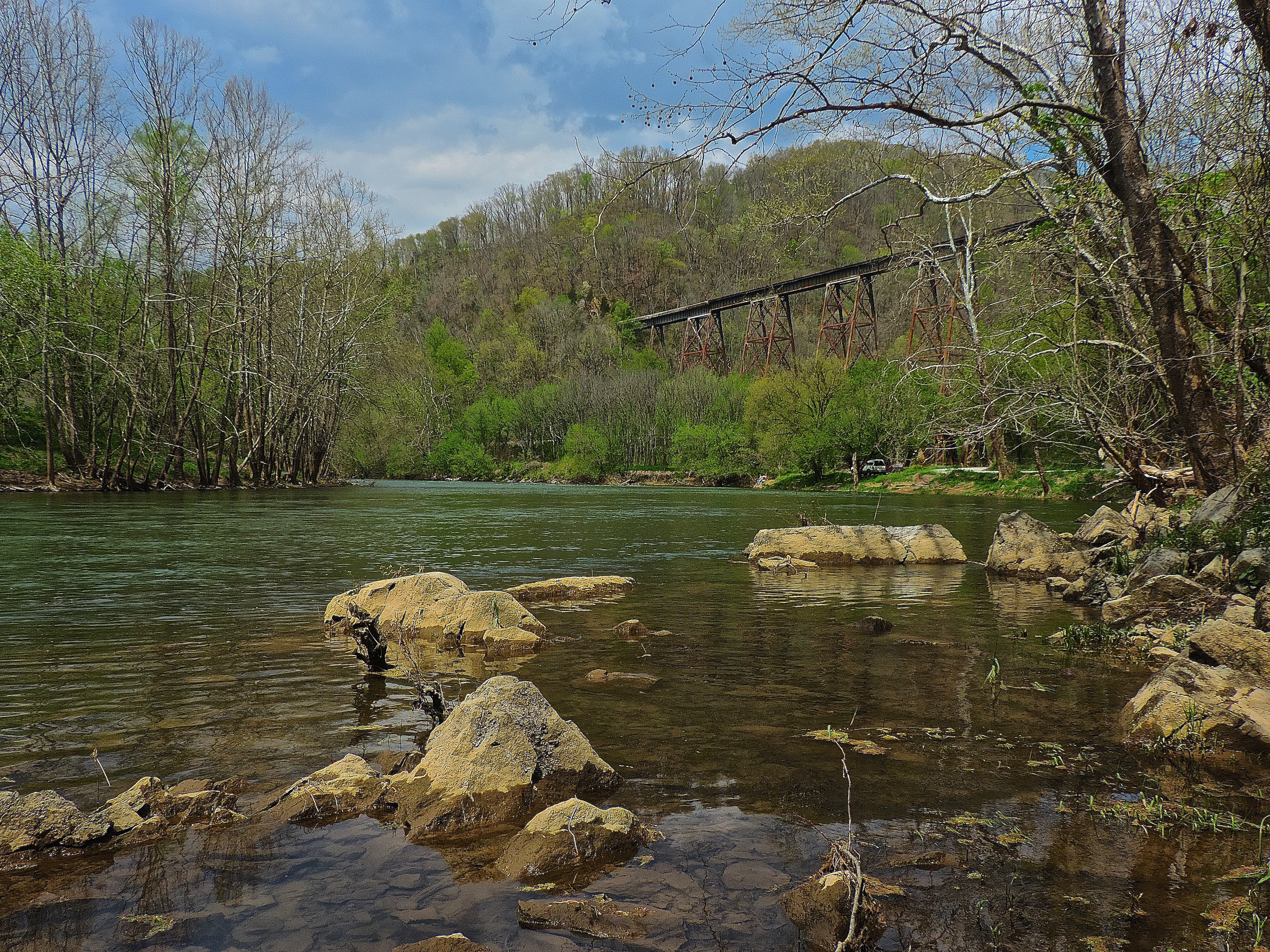
Higher and Better Uses, a 2026 Split Rock Press Chapbook Series selection, explores Southern Appalachia’s often overlooked extractive landscapes. Traveling from the coalfields to the Piedmont’s textile towns-turned suburbs, poems in this collection examine how legacies of resource extraction have shaped and continue to shape the region’s natural and human inhabitants.



About
Wally Smith is a conservation biologist and poet living in the coalfields of Virginia’s Cumberland Mountains. Originally from the Blue Ridge foothills of northeast Georgia, he received his B.S. in Biology from Piedmont College in 2007 and a Ph.D. in Biological Sciences (Ecology, Evolution, and Systematics) from The University of Alabama in 2011. Since 2012, he has taught in the Department of Natural Sciences at The University of Virginia’s College at Wise, where he currently serves as a Professor of Biology.
Smith’s poetic work explores the intersections between people and place in the American South, particularly the southern and central Appalachian Mountains, examining how landscapes within this region shape and are shaped by their natural and human inhabitants. Smith’s poetry frequently incorporates aspects of his scientific work and has been featured or is forthcoming in several anthologies and numerous journals and magazines, among them terrain.org, Split Rock Review, Appalachian Journal, The Fourth River, Cold Mountain Review, and Flyway. His work was recognized in 2013 as a semifinalist for the James Baker Hall Memorial Prize in Poetry and was chosen as a selection for the 2026 Split Rock Press Chapbook Series.
Outside of his creative work, Smith maintains an active scientific research program examining how land use and land use policy influence Appalachian ecosystems and wildlife. A herpetologist and aquatic ecologist by training, he has published more than 40 peer-reviewed scientific journal articles and technical reports for state and federal conservation agencies. He also is the author of several nonfiction works, including a series of hiking guides covering outdoor destinations in the Cumberland Mountains, and when not busy writing can usually be found somewhere in the woods.
Books

